

Over 600,000 industrial businesses operate nationwide, and scaling a shop floor in this sector means looking beyond sticker prices to account for installation, specialized infrastructure, and long-term operating costs. Machine tool acquisition involves more than securing purchase orders; it demands a structured allocation framework that protects day-to-day liquidity while bringing new productive capacity online.
When plant managers fail to forecast total outlay accurately, initial setup costs can strip away working capital faster than new production cycles can restore it. Balancing debt service, lease obligations, and operational reserves is essential to maintaining momentum.
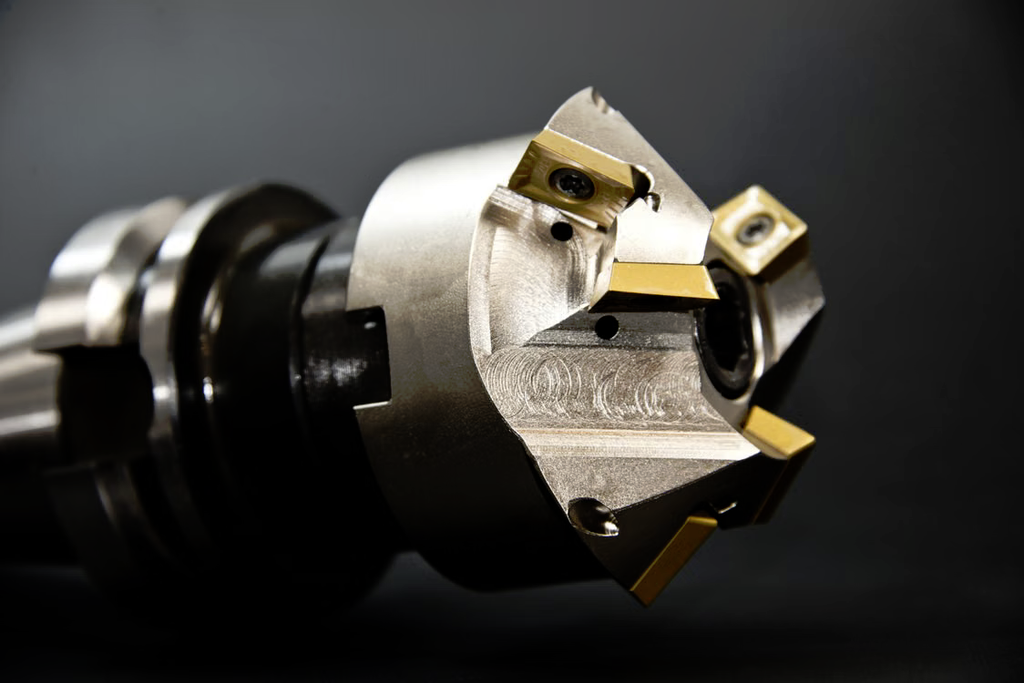
Image Source: Pexels
Establishing Real Total Cost of Ownership Beyond the Sticker Price
Acquiring primary machinery rarely stops at the manufacturer’s baseline quote. Tooling, rigging, foundation reinforcement, and high-voltage electrical runs regularly add twenty to thirty percent to the total project scope.
Industrial operators who budget only for the primary asset often drain cash reserves to finish the installation. Calculating working-life depreciation alongside predicted electrical load costs gives a clearer picture of long-term unit economics.
Proactive capital planning means factoring maintenance service contracts into the initial cap-ex budget rather than treating them as reactive operational costs down the line. Preventive maintenance agreements protect the business from unplanned downtime while keeping warranty obligations intact.
Structuring Financing Structures and Capital Preservation
Preserving cash reserves allows manufacturing facilities to handle supply chain volatility and payroll without risking operational bottlenecks. While paying cash eliminates interest expenses, tying up liquid capital in fixed assets limits a firm’s ability to respond to short-term opportunities or localized market disruptions.
When evaluating equipment debt, lenders analyze debt service coverage ratios and overall balance sheet health. Recent data shows new business volume in equipment finance reached 6.8% growth as industrial firms increasingly turned to specialized lenders to preserve core liquidity. Managing debt ratios while acquiring revenue-generating assets requires choosing lease or loan structures aligned with expected production output.
When balance sheets show previous credit disruptions or tight leverage metrics, securing conventional commercial loans can prove challenging. Working with specialized capital sources like Crestmont Capital bad credit programs allows growing shops to secure necessary machinery without stalling expansion timelines. Specialist lenders can better serve businesses that other financing providers overlook.
Maintaining productive capacity requires evaluating the distinct advantages offered by different funding methods:
- Term loans lock in predictable monthly payments across fixed periods
- Fair market value leases keep technology updated while lowering monthly overhead
- Capital leases provide a clear path to complete ownership at the end of the term
Choosing the correct financing structure prevents capital starvation, ensuring the plant retains sufficient liquidity to buy raw materials and support increased output.
Mitigating Risk Through Phased Equipment Rollouts
Deploying new machinery across the entire shop floor at once creates operational risks that can jeopardize existing contracts. Implementing a phased rollout strategy isolates production bottlenecks and lets installation teams verify setup specifications on single lines before expanding operations.
Staggering machinery deliveries spreads secondary costs across multiple budget cycles rather than concentrating financial strain in a single quarter. This approach lets revenue from early production runs offset setup costs for later installations.
Modern risk management also accounts for evolving lending metrics across the capital market. Industrial businesses should track how equipment financing rates and risk evaluation standards shape loan terms, ensuring capital arrangements remain sustainable amid shifting market conditions.
Finally, equipment buyers must coordinate with insurance underwriters before hardware arrives on the floor. Coverage adjustments for high-value industrial machinery should take effect as soon as freight reaches the loading dock to avoid uninsured liability gaps.
Accommodating Technological Obsolescence and Digital Integration
Modern industrial machinery relies as much on proprietary software licensing and digital transformation as on raw mechanical throughput. Upgrading control systems or buying secondary diagnostic packages often becomes a hidden capital expense that can catch plant managers off guard if they don’t budget for it during initial asset acquisition.
Forward-thinking industrial operations factor continuous software maintenance and periodic control hardware retrofits directly into their multi-year capital plans. Anticipating these digital lifecycle costs keeps high-precision fabrication lines from becoming operational bottlenecks due to unsupported operating systems or outdated firmware while preserving long-term asset value.
Long-Term Maintenance Planning for Asset Preservation
A comprehensive equipment budget extends past installation to cover asset maintenance, wear-and-tear replacement, and scheduled software updates. Neglecting these ongoing costs risks sudden equipment failures that degrade product quality and breach delivery agreements.
Setting aside two to four percent of total asset value annually in a dedicated machinery maintenance fund covers routine servicing without disrupting primary operating funds. This discipline extends equipment lifespans and protects secondary-market resale values if the facility upgrades down the line.
Connecting operational health to strategic financial planning turns large equipment investments into predictable growth drivers. Facilities that balance debt obligations, reserve liquidity, and routine maintenance maintain the operational flexibility needed to compete effectively. For more insights on optimizing capital resources and shop floor efficiency, explore our detailed industrial resource library.