
Pulp and paper manufacturing relies heavily on processes that operate under sustained high-temperature conditions. From pulping and drying to energy recovery and boiler systems, heat plays a central role in production efficiency. However, prolonged exposure to high temperatures also places significant stress on equipment, insulation systems, and process control components.
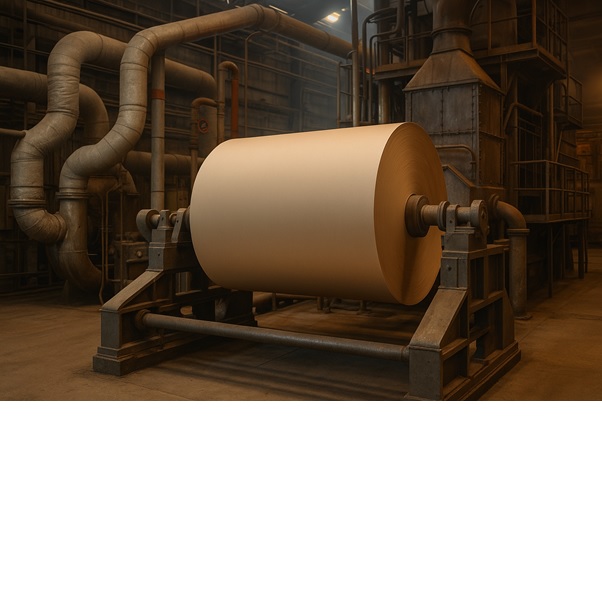
Managing these environments effectively requires a strategic approach that goes beyond routine maintenance. Modern mills increasingly focus on preventive design, thermal risk assessment, and long-life insulation strategies to reduce downtime and extend equipment service life. In continuous high-heat industrial settings, the selection of high-temperature insulation components is often discussed when evaluating long-term thermal stability and operational reliability.
A well-structured heat management strategy not only protects assets but also supports safer working conditions and more predictable production output. The following best practices outline how pulp and paper facilities can better manage high-temperature zones across critical operations.
Understanding High-Temperature Zones in Pulp and Paper Mills
High-temperature zones refer to areas where equipment and materials are exposed to elevated thermal loads during normal operation. In pulp and paper facilities, these zones commonly include:
- Digesters and chemical processing units
- Drying sections of paper machines
- Recovery boilers and evaporators
- Heat exchangers and energy recovery systems
These environments are often characterized by continuous operation, fluctuating temperatures, moisture, and chemical exposure, all of which can accelerate material degradation if not properly managed.
Best Practice 1: Conduct Thermal Risk Mapping
The first step in controlling heat-related issues is identifying where thermal stress is most likely to impact performance. Components such as sensors, electrical insulation, piping interfaces, and structural supports are particularly vulnerable in high-temperature zones.
Routine thermal audits, combined with temperature monitoring and infrared inspections, help maintenance teams pinpoint hotspots before they escalate into equipment failures or safety risks.
Best Practice 2: Select Materials Designed for Continuous Heat Exposure
Material selection plays a critical role in maintaining reliability under sustained heat. Conventional materials may lose mechanical strength, insulation performance, or dimensional stability when exposed to long-term thermal loads.
For this reason, many industrial facilities evaluate materials used in continuous high-heat industrial processes when designing or upgrading systems operating in elevated-temperature environments. Choosing materials with proven thermal endurance can significantly reduce replacement cycles and maintenance interruptions.
Best Practice 3: Optimize Insulation and Equipment Protection
Effective insulation systems help control heat transfer, protect surrounding equipment, and improve overall energy efficiency. In pulp and paper mills, insulation must perform reliably under constant temperature fluctuations while resisting moisture and chemical exposure.
Well-designed insulation not only protects assets but also improves workplace safety by reducing surface temperatures and minimizing the risk of heat-related incidents.
Best Practice 4: Implement Predictive Maintenance Strategies
High temperatures accelerate wear, making predictive maintenance essential. Monitoring trends in temperature, vibration, and system performance allows maintenance teams to intervene early and avoid unplanned shutdowns.
Predictive tools help transform maintenance from a reactive task into a proactive process, supporting stable production schedules and extending equipment lifespan.
Best Practice 5: Balance Safety, Efficiency, and Long-Term Cost
Effective high-temperature management is about balance. Reducing thermal stress improves equipment reliability, lowers operational risk, and supports consistent production quality.
By combining proper thermal assessment, material selection, insulation design, and preventive maintenance, pulp and paper manufacturers can create resilient systems capable of operating reliably in demanding thermal conditions.
Conclusion
High-temperature zones are an unavoidable aspect of pulp and paper manufacturing, but they do not have to be a source of constant risk or inefficiency. Applying best practices focused on thermal control and long-term system stability allows facilities to protect equipment, enhance safety, and reduce unexpected downtime.
A structured, preventive approach to heat management ultimately supports more efficient operations and long-term competitiveness in the pulp and paper industry.